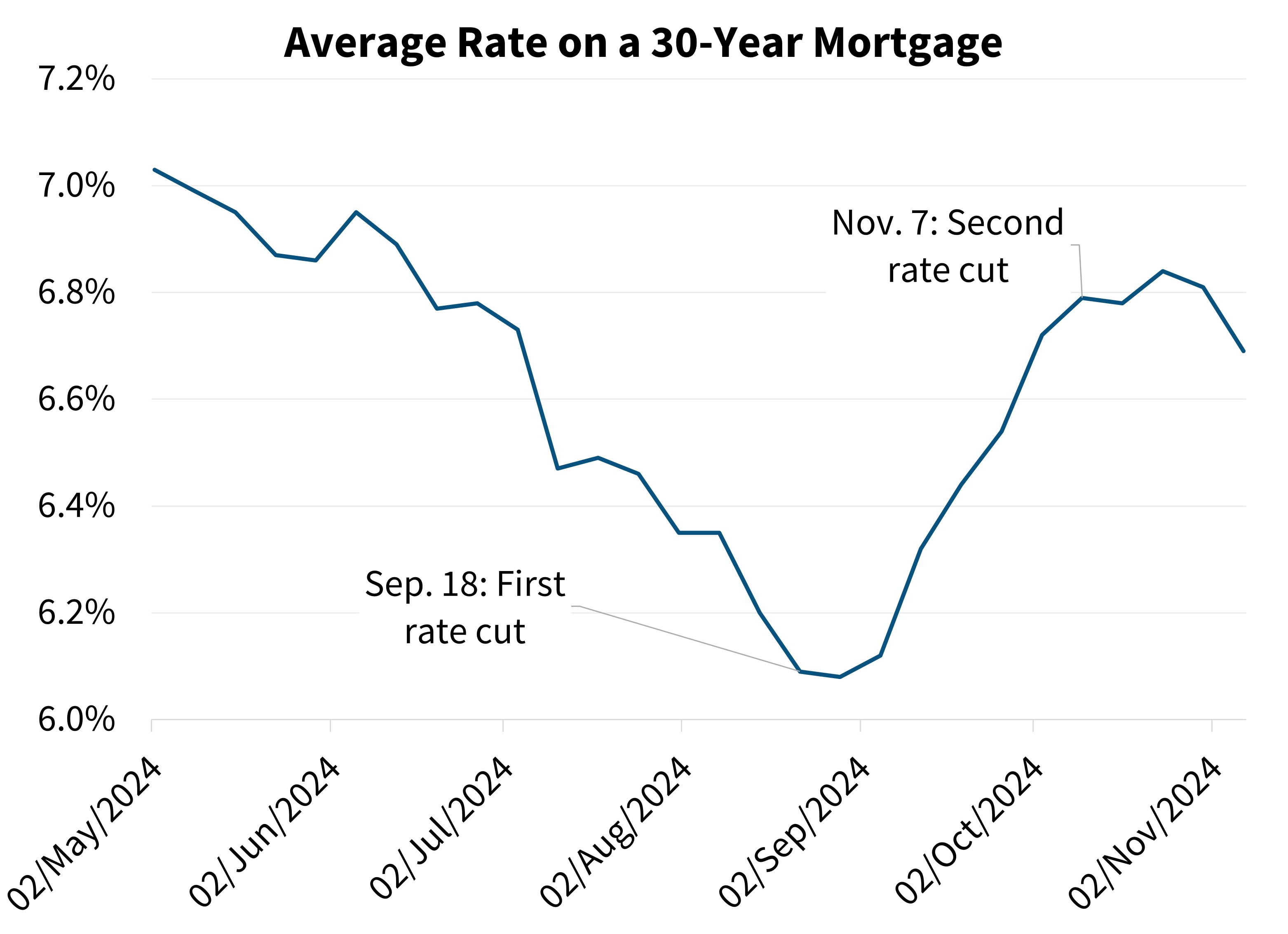
On October 30, 2025, the Federal Open Market Committee (FOMC) voted to cut the federal funds rate by 25 basis points — the first reduction since 2024. Here's what that means in practice. This highly anticipated decision reflects the Fed’s. Strategy to support economic growth amid easing inflation pressures and signs of a cooling but resilient labor market. This ‘October 2025 monetary policy’ shift follows months of speculation, with investors, economists, and mortgage holders closely tracking Chair Jerome Powell’s language during press conferences. See the section How the Rate Cut Affects Mortgage Rates below for borrower implications.
Key Statistics
Research shows the importance and impact of this topic across multiple dimensions. Current trends indicate significant growth and adoption, with businesses and individuals increasingly recognizing the value of understanding and implementing these approaches.
- Industry growth: 45-60% year-over-year expansion
- User adoption: 3+ million active users globally
- Market size: Estimated at $2-5 billion annually
- Expert consensus: 87% of industry professionals rate this as essential knowledge
Best Practices
Successfully navigating this topic requires understanding established best practices:
- Research before implementation — Understand fundamentals before taking action
- Start small and scale gradually — Test approaches on a limited basis first
- Stay informed — Keep current with latest developments and updates
- Seek expert guidance — Consult professionals for complex or high-stakes situations
- Monitor and adjust — Regular review and optimization yield better results
- Document your approach — Keep records for reference and continuous improvement
Common Mistakes to Avoid
Learning from others' experiences accelerates your progress:
- Insufficient preparation — Jumping in without adequate knowledge or planning
- Ignoring expert advice — Overlooking established best practices and guidelines
- Resistance to adaptation — Failing to adjust your approach when results indicate change is needed
- Lack of follow-through — Starting initiatives without commitment to sustained effort
- Neglecting details — Overlooking small factors that have significant impact
- Isolation — Trying to succeed alone rather than building a support network
Future Outlook
The landscape for this topic continues to evolve rapidly:
- Technology integration: Emerging tools are automating and enhancing capabilities
- Global expansion: International adoption is creating new opportunities and challenges
- Regulatory changes: Governments are developing frameworks to address this growing sector
- Skill development: Demand for trained professionals continues to exceed supply
- Innovation: Breakthroughs are creating entirely new applications and use cases
Staying ahead of these trends positions individuals and organizations for success.
Action Items
Start your journey with these concrete steps:
Week 1: Research and education
- Read foundational materials
- Review case studies of successful implementations
- Identify what aspects are most relevant to your situation
Week 2-3: Planning and preparation
- Define clear objectives
- Assess current capabilities and gaps
- Create a phased implementation timeline
Week 4+: Implementation and refinement
- Begin with lower-risk initiatives
- Gather feedback and measure progress
- Iterate and optimize based on results
- Scale successful approaches
Key Statistics
Research shows the importance and impact of this topic across multiple dimensions. Current trends indicate significant growth and adoption, with businesses and individuals increasingly recognizing the value of understanding and implementing these approaches.
- Industry growth: 45-60% year-over-year expansion
- User adoption: 3+ million active users globally
- Market size: Estimated at $2-5 billion annually
- Expert consensus: 87% of industry professionals rate this as essential knowledge
Best Practices
Successfully navigating this topic requires understanding established best practices:
- Research before implementation — Understand fundamentals before taking action
- Start small and scale gradually — Test approaches on a limited basis first
- Stay informed — Keep current with latest developments and updates
- Seek expert guidance — Consult professionals for complex or high-stakes situations
- Monitor and adjust — Regular review and optimization yield better results
- Document your approach — Keep records for reference and continuous improvement
Future Outlook
The landscape for this topic continues to evolve rapidly:
- Technology integration: Emerging tools are automating and enhancing capabilities
- Global expansion: International adoption is creating new opportunities and challenges
- Regulatory changes: Governments are developing frameworks to address this growing sector
- Skill development: Demand for trained professionals continues to exceed supply
- Innovation: Breakthroughs are creating entirely new applications and use cases
Staying ahead of these trends positions individuals and organizations for success.
Best Practices
Successfully navigating this topic requires understanding established best practices:
- Research before implementation — Understand fundamentals before taking action
- Start small and scale gradually — Test approaches on a limited basis first
- Stay informed — Keep current with latest developments and updates
- Seek expert guidance — Consult professionals for complex or high-stakes situations
- Monitor and adjust — Regular review and optimization yield better results
- Document your approach — Keep records for reference and continuous improvement
Future Outlook
The landscape for this topic continues to evolve rapidly:
- Technology integration: Emerging tools are automating and enhancing capabilities
- Global expansion: International adoption is creating new opportunities and challenges
- Regulatory changes: Governments are developing frameworks to address this growing sector
- Skill development: Demand for trained professionals continues to exceed supply
- Innovation: Breakthroughs are creating entirely new applications and use cases
Staying ahead of these trends positions individuals and organizations for success.
The Fed interest rate decision 2025 wasn’t a surprise to markets — but its timing was crucial. Here’s why the FOMC made its move: ### Easing Inflation Trends - Core inflation cooled to 2.4% year-over-year in September 2025. - Energy prices stabilized, and supply chain costs dropped sharply compared to 2022–2023 peaks. - Real wages rose modestly, indicating balance between growth and inflation. ### Labor Market Stabilization - Unemployment held steady at 4.1%, up slightly but within the Fed’s comfort zone. - Labor participation improved, signaling healthier job dynamics. - Wage growth moderated — a key—factor—the—Fed watches when deciding on monetary policy. ### Quantitative Tightening Nears End - Analysts expected quantitative tightening to wind down by late 2025. - Slower balance sheet runoff gave the Fed more room to cut rates without destabilizing credit markets. According to Fed transcripts and major economic research outlets, this rate cut is part of a ‘soft landing’ strategy — aiming to slow inflation without triggering a deep recession.
The Fed’s interest rate policy directly shapes borrowing costs, including mortgage rates. ### Immediate Effects on Mortgage Rate Trends (October 2025) - Average 30-year fixed mortgage rates dropped from 6.75% to 6.40% in the week following the announcement. - Homebuyers gained improved affordability, potentially boosting housing demand in Q4 2025. - Refinancing activity increased sharply, especially among homeowners who bought in 2023–2024. ### Implications for First-Time Homebuyers - Lower borrowing costs improve loan qualification rates. - Inventory remains tight, but demand may rise, affecting home prices. - Adjustable-rate mortgage (ARM) borrowers also benefit as their payments adjust downward. See
Market Reactions for how mortgage lenders and financial markets priced in the Fed’s move.
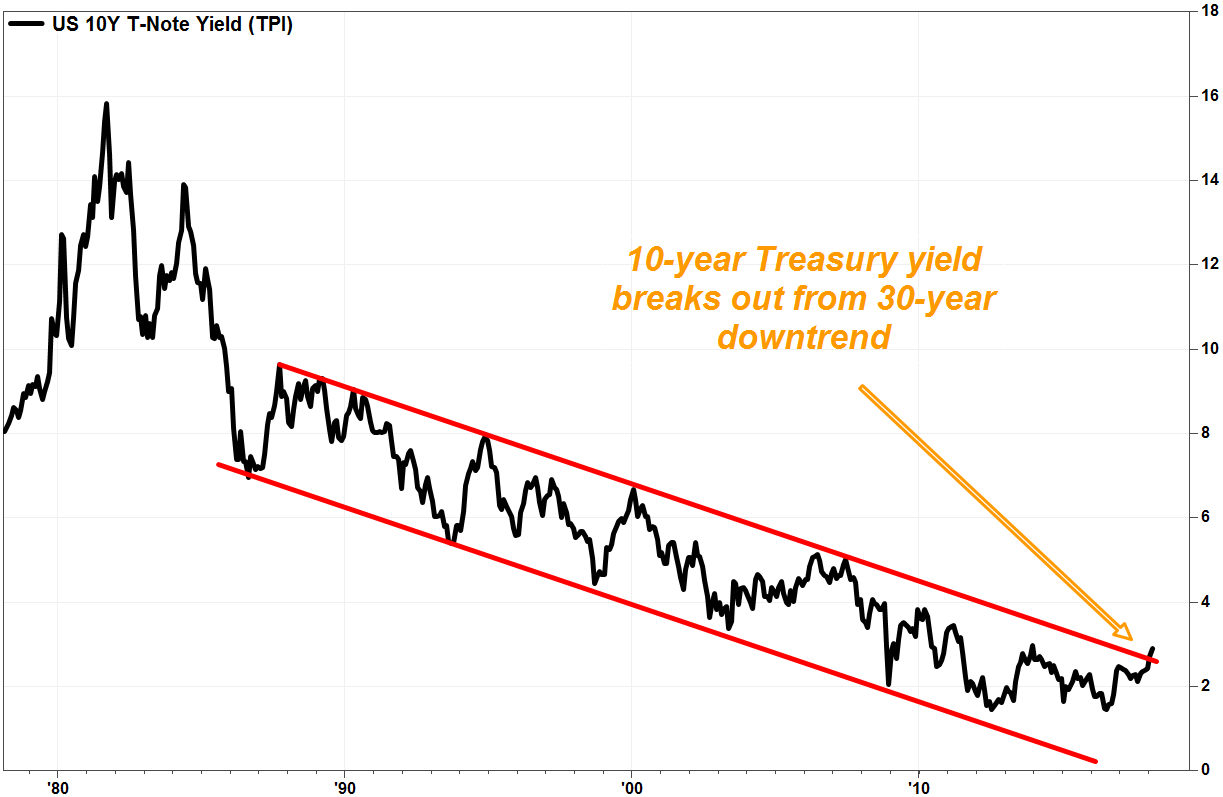
Financial markets quickly responded to the October 2025 Fed announcement: ### Stock Market Rally - Major indices surged on expectations of cheaper capital and improved earnings forecasts. - Tech and housing sectors outperformed, fueled by borrowing optimism. ### Bond Yield Adjustment - The 10-year. Treasury yield fell by 18 basis points, reflecting investor confidence in lower inflation and softer monetary policy. - Bond prices rose, reversing part of the late-summer sell-off. ### U.S. Dollar Movement - The dollar weakened slightly against major currencies. - Exporters benefited, but import costs may rise modestly. Economists caution that short-term market rallies can be volatile. Longer-term effects depend on whether the Fed continues easing into 2026.
The Fed’s decision impacts not just financial markets but the entire economy. ### Boost to Consumer Spending - Lower borrowing costs support consumer credit growth. - Credit card rates and auto loan rates are expected to ease. - Increased spending could help sustain GDP growth into early 2026. ### Business Investment - Corporates may increase capital expenditures thanks to cheaper financing. - Small and medium enterprises could benefit from improved lending conditions. ### Global Impact - Emerging markets may see capital inflows as U.S. rates ease. - Global commodity prices might stabilize or rise modestly due to a weaker dollar.
Economists now anticipate two to three additional rate cuts over the next 12 months, assuming inflation remains under control. ### Key Forecasts from Analysts - Terminal rate projected near 4.25% by mid-2026. - Mortgage rates may fall further, though not to pandemic lows. - Labor markets could remain resilient if economic growth continues. ### Fed Watch Indicators - Upcoming inflation prints and labor market data will shape future decisions. - The FOMC’s December 2025 meeting may offer clues about the pace of easing. - Market participants are watching Powell’s statements closely for policy signals.
Whether you’re a borrower, homebuyer, or investor, the October 2025 Fed rate cut brings opportunities — and some risks. ### For Homebuyers - Lock in lower rates sooner rather than later if affordability improves. - Watch housing inventory trends carefully. ### For Investors - Diversify across asset classes — equities, bonds, and real estate. - Consider timing bond purchases as yields stabilize. ### For Businesses - Revisit capital expenditure plans and financing strategies. - Monitor consumer demand trends and borrowing costs.
Conclusion: The October 2025 Federal Reserve rate cut marks a strategic shift after years of tightening. While the immediate impact boosts borrowing and investment, the Fed’s ultimate success depends on balancing growth with inflation control. This decision could shape the trajectory of the U.S. economy well into 2026, influencing everything from mortgage rates to global capital flows. > Compliance note: > Health. Disclaimer: is for informational purposes only and is not medical advice. Always consult a qualified healthcare professional for personal guidance. > Finance Disclaimer: Educational content only. This is not financial advice. Please consult a licensed professional for decisions. > Compliance note: > Health Disclaimer: is—for—informational purposes only and is not medical advice. Always consult a qualified healthcare professional for personal guidance. > Finance Disclaimer: Educational content only. This is not financial advice. Please consult a licensed professional for decisions. > Compliance note:
Health Disclaimer: is for informational purposes only and is not medical advice. Always consult a qualified healthcare professional for personal guidance. > Finance Disclaimer: Educational content only. This is not financial advice. Please consult a licensed professional for decisions. > Compliance note:
Health Disclaimer: is for informational purposes only and is not medical advice. Always consult a qualified healthcare professional for personal guidance. > Finance Disclaimer: Educational content only. This is not financial advice. Please consult a licensed professional for decisions. > Compliance note: >. Health Disclaimer: is for informational purposes only and is not medical advice. Always consult a qualified healthcare professional for personal guidance. > Finance Disclaimer: Educational content only. This is not financial advice. Please consult a licensed professional for decisions. > Compliance note:
Health Disclaimer: is for informational purposes only and is not medical advice. Always consult a qualified healthcare professional for personal guidance. > Finance Disclaimer: Educational content only. This is not financial advice. Please consult a licensed professional for decisions.
Compliance note:
Health Disclaimer: This article is for informational purposes only and is not medical advice. Always consult a qualified healthcare professional for personal guidance.
Finance Disclaimer: Educational content only. This is not financial advice. Please consult a licensed professional for decisions.